Feeds:
Posts
Comments

Posts Tagged ‘miso soup’

I’m just not as young as I used to be. I can tell that I was at an izakaya last night because all of that sake floating around my liver is taking its toll. However, slow-moving Saturdays usually mean fun Friday nights.

A group of Yuki’s co-workers got together last night for food and drinks at Chizakaya, a newly opened izakaya here in Chicago. Actually, it’s probably the only real izakaya in town. While there are a few places claiming to be izakayas, they’re really just sushi places. Chizakaya doesn’t serve any sushi at all. I first heard of Chizakaya a few months ago when my mom sent me an article in the Huffington Post about the very fact that there aren’t any real izakaya’s in Chicago, until now. It also mentioned that the group that opened Chizakaya came from L2O, arguably Chicago’s finest seafood restaurant. Naturally, it made the list of places I wanted to go. With Yuki’s group meeting there last night I took the opportunity and ran with it.

I got there before the rest of the group, except for the two white guys in her work team (everyone else is Japanese). We sat at the bar and had a glass of sake while waiting for everyone else. I will say that the bartender knows his sake! It’s not a huge sake list, but a very well put together one with a good variety at all price points. He also gave us each a sample of sweet potato shochu, something none of us have ever had. It’s actually quite good.

Once everyone showed up they took us to the back room at one of the two big tables. I like it much better back there because the kitchen is open and the atmosphere is a little more izakaya-like.

Our waitress was also well-trained in the art of sake flavors as well as their menu. True to being an izakaya, the menu is based on small plates and nibbles to go along with drinking. We ordered a bunch of things and just grabbed and ate as we went, along with numerous bottles of sake. Since I’m drinking for 3, I’m struggling to keep my eyes focused as I write this.

As we sat they brought out little bowls of miso soup. Really good miso, they got the ratio of miso-to-dashi right. Instead of wakame which is typically put in miso soup they used hijiki.

Japanese sweet potato fries with spiced mayo.

Puffed pig ears with togarashi soy dipping sauce. Move over potato chips, these little cracklins are fantastic!

Crispy pork with a slow poached egg.
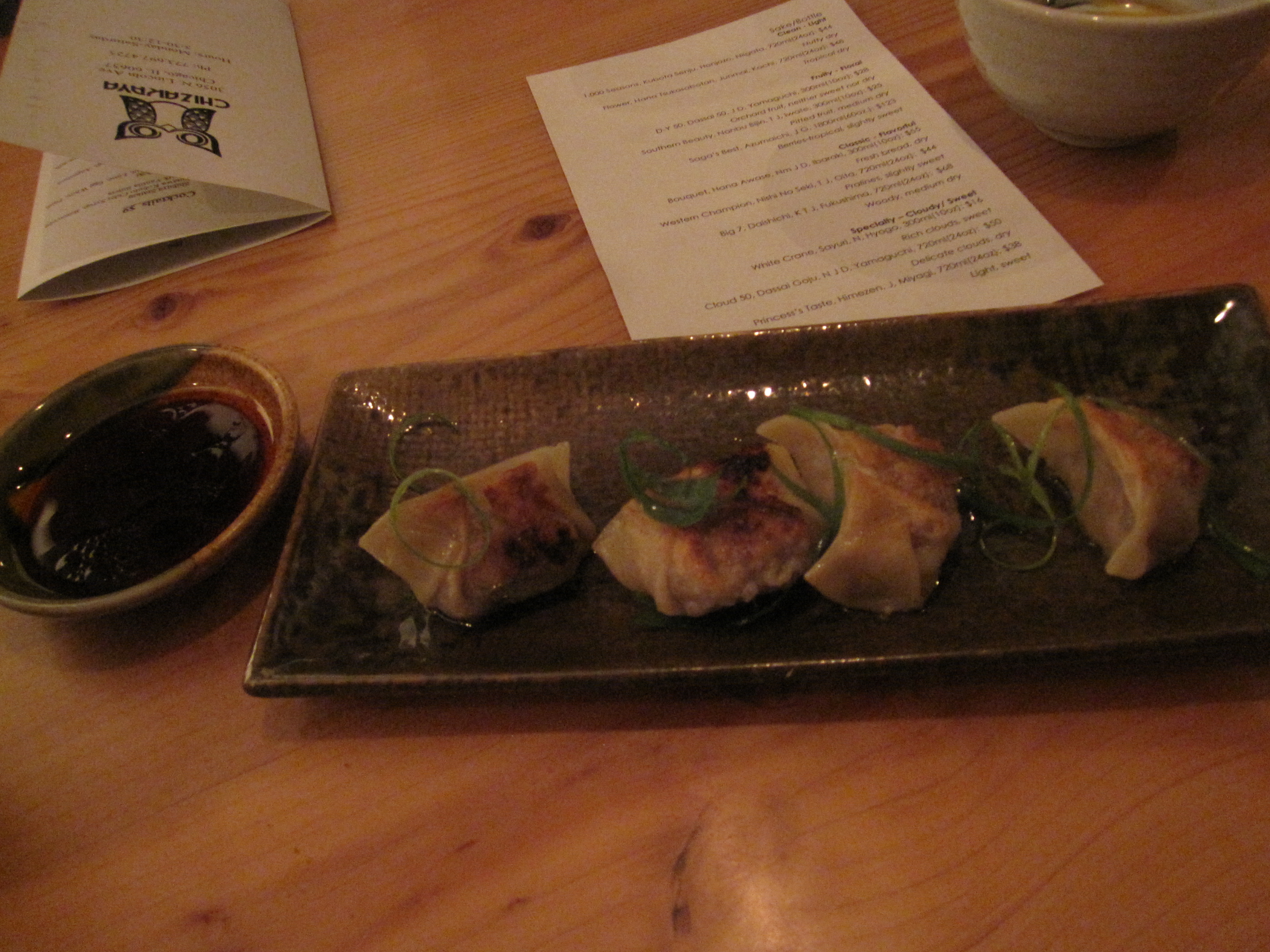
Pork shoulder gyoza. The gyoza could have been a little bit crispier, but the braised pork shoulder filling more than made up for that shortcoming.

Oysters with bacon and shishito. I don’t know if the bacon was over smoked or if they added a little liquid smoke, but there was a bit too much smokiness to this one. The natural sweetness of the beautiful little oysters was lost. Cut back on the smoke and this one is a winner.

Grilled ika togarashi with a yuzu vinaigrette. This was some of the most tender squid I’ve had in Chicago.
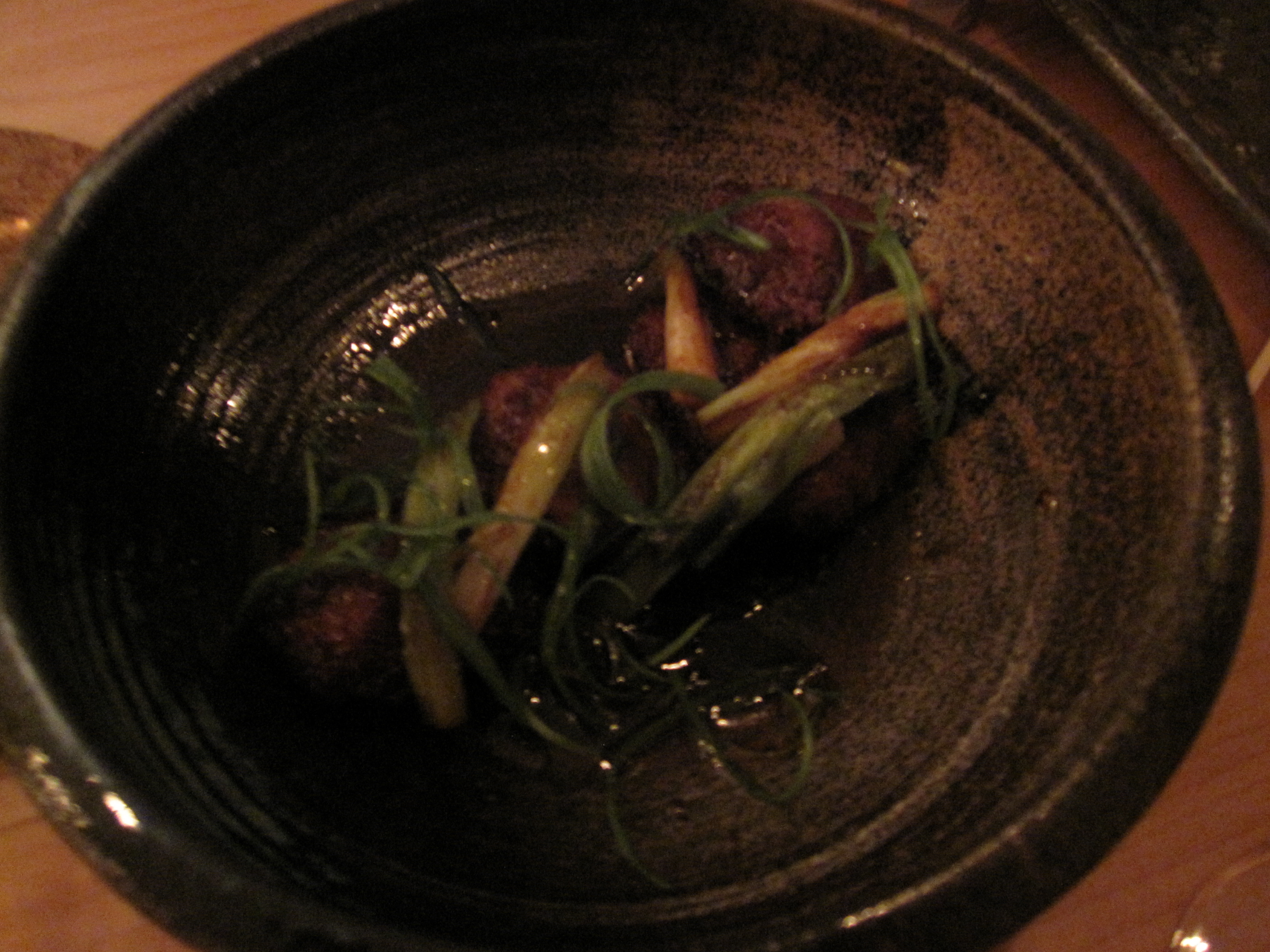
This was one of the night’s specials, duck liver karaage with scallions. Little deep-fried nuggets of ducky deliciousness!
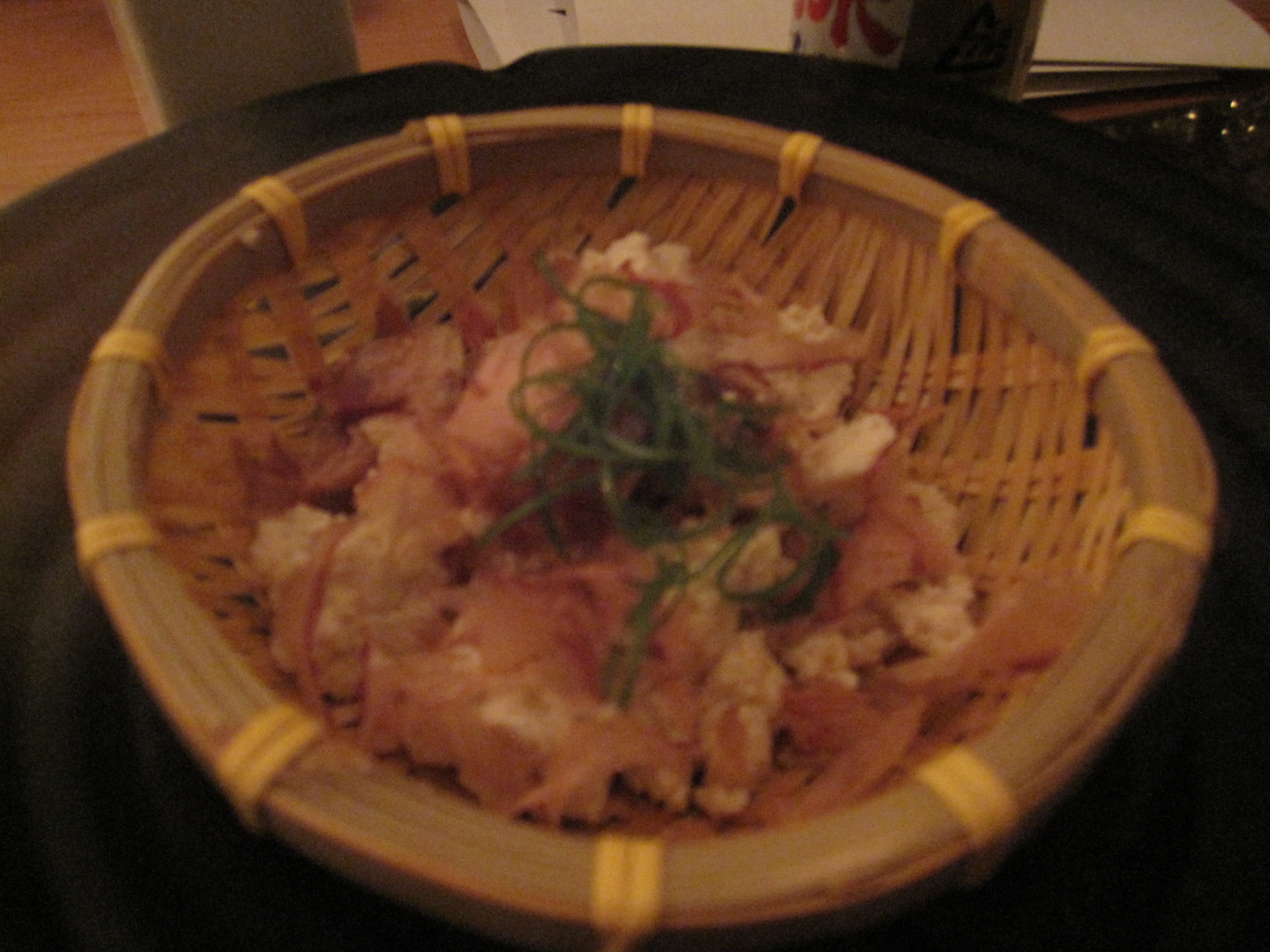
Home-made basket tofu with bonito flakes, scallions, ginger, and soy sauce. You haven’t had tofu until you’ve had a really good home-made tofu. This was a really good home-made tofu. Totally different beast than the store-bought packaged tofu. Very clean, very light, very tasty.

Crispy-braised lamb belly with chopped edamame. This one was another of the night’s specials and quite honestly, one of the most special dishes I’ve ever eaten! I’ve never had lamb belly before and after eating it am wondering why. You see pork belly everywhere as it’s one of the more trendy cuts of meat these days. As much as I love pork belly, and I do love pork belly, I’d drop it in a heartbeat to sink my teeth into some lamb belly. That layer of belly fat may be the most lamby of all lamb flavors that animal has. I absolutely luz it! The only thing that would have made this dish better would be to puree the edamame into a thick sauce instead of leaving it chunky. Otherwise it was perfect.

Now, I’ll show you all of the kushi-yaki (grilled skewers of meat) that we had.
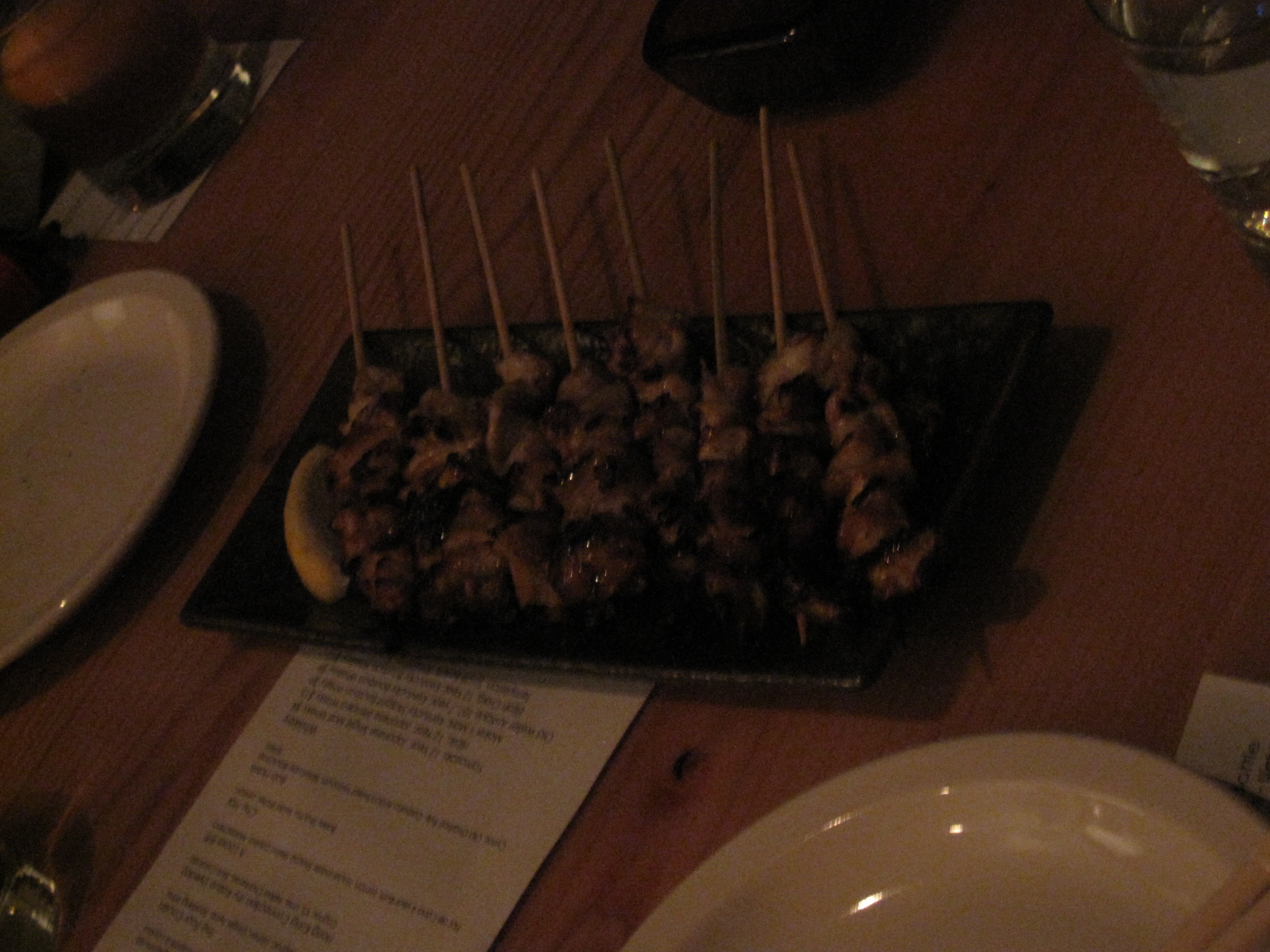
Chicken skin, mother of schmaltz how I love thee!
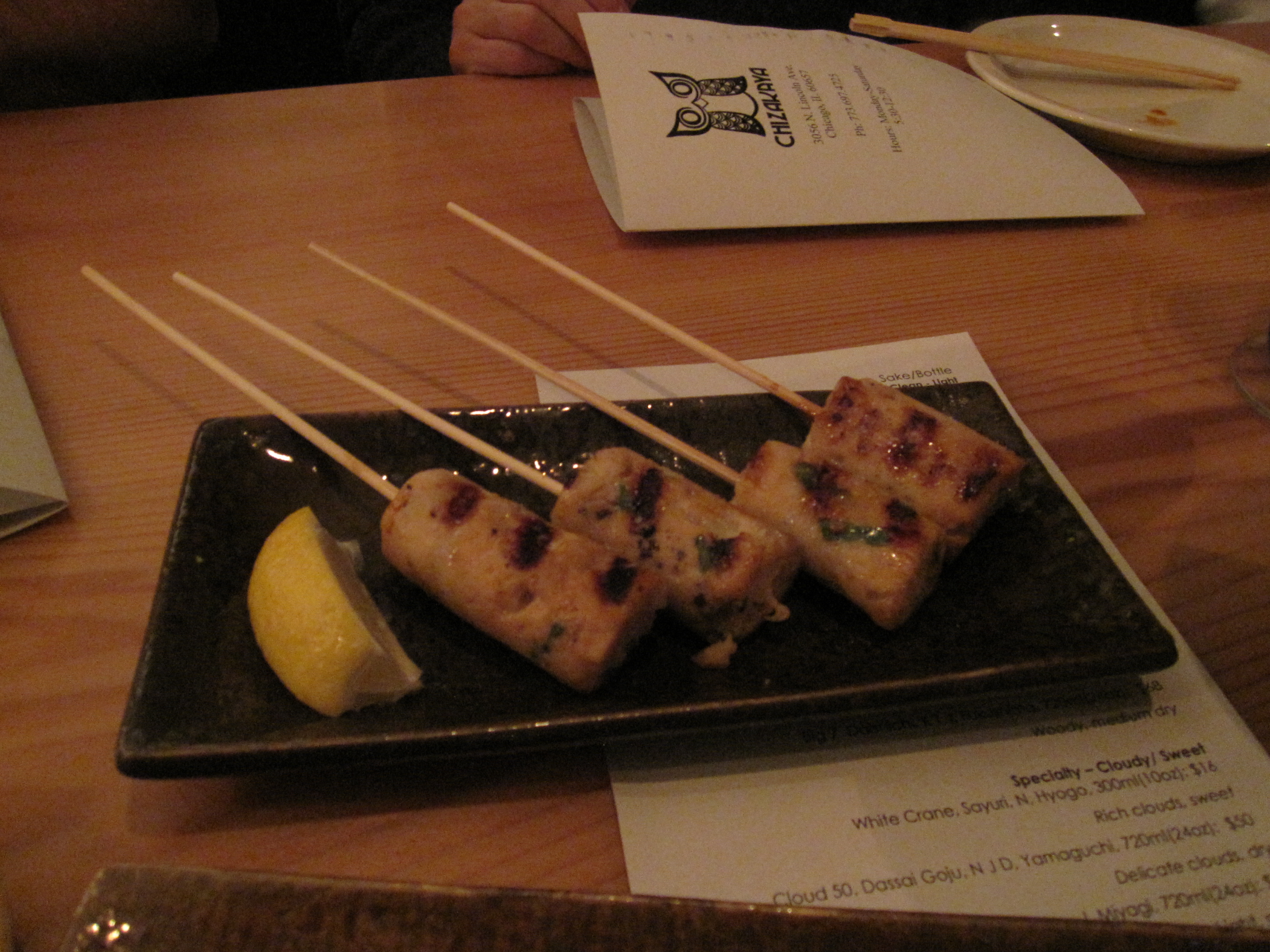
Chicken meatballs.

Chicken gizzards, next to liver and sweetbreads my favorite offal.

Beef heart, surprisingly tender and juicy for such a hard-working and lean muscle.

Beets with shiso, both red and golden.

We also ordered a the ramen and oden. Both of which were, quite honestly, very disappointing.

The ramen came with braised pork, fish balls, a slow poached egg, radish, bamboo shoot, shredded scallions, and some nori. The ingredients were all top-notch, but the noodles were overcooked and soft while the broth wasn’t quite were it needed to be. With everything else so high quality I wonder why they’re using regular old store-bought quality noodles. This bowl of ramen just wasn’t up to standards. If it’s ramen you want, head over to Arami instead.

The oden wasn’t even close to what oden is. Oden should be a dashi broth filled with various fish cakes, potato, hard-boiled eggs, konyakku, etc. It’s something that we make at home a couple of times every winter. This was nowhere near oden. This was a soy-based dashi with overcooked soba noodles, a few spinach leaves, a couple of pieces of potato, some slices of radish, and a few adzuki beans. It wasn’t a terrible noodle soup, but they shouldn’t call it oden and they should be more careful with the noodles.

Now, on to desserts, which were all very creative and well-prepared.
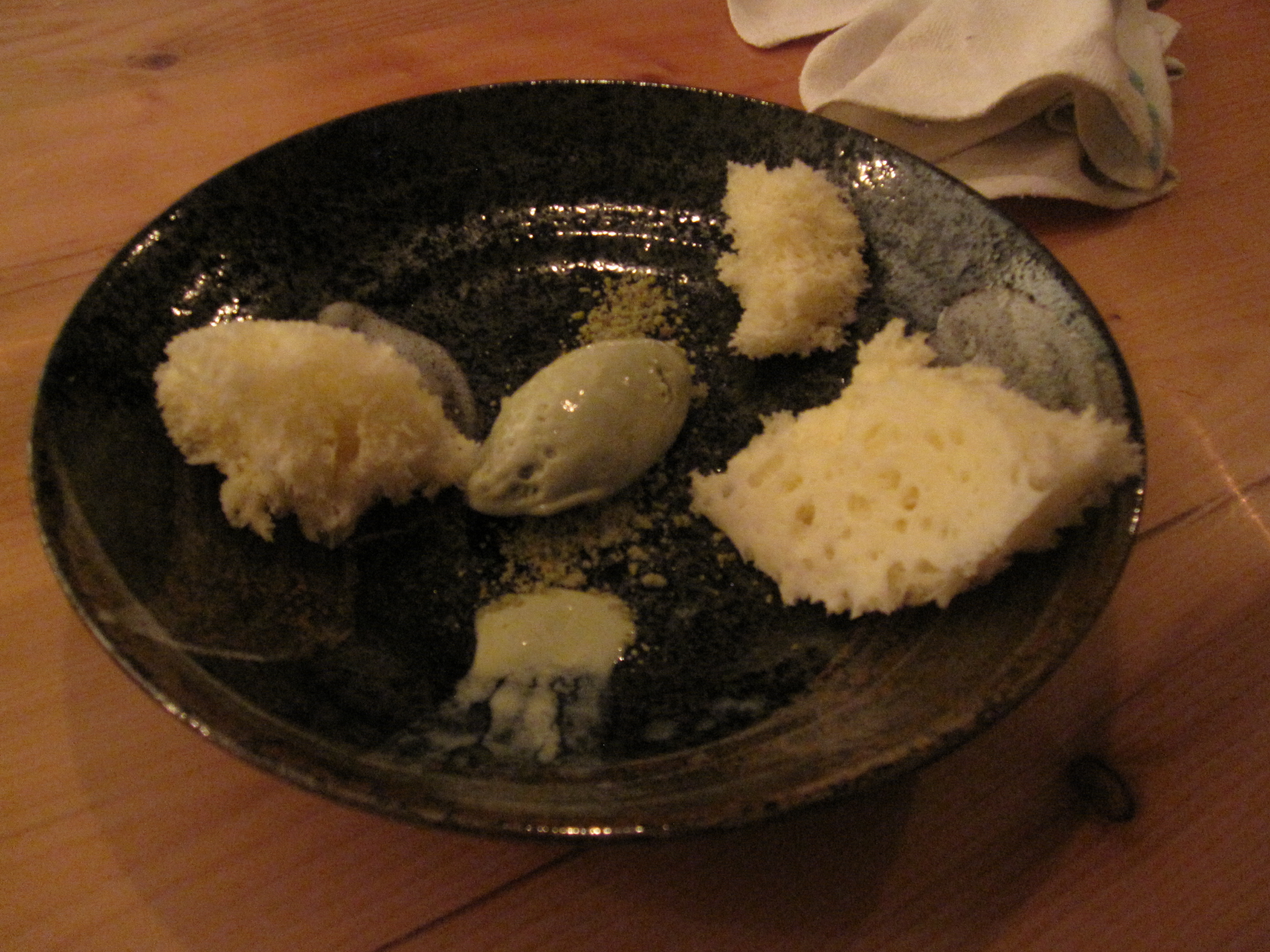
Yuzu cake with green tea ice cream.

Tofu cheese cake with kuro mitsu (black honey) and adzuki bean sorbet. Usually you see adzuki bean ice cream, making it a sorbet was a nice touch.
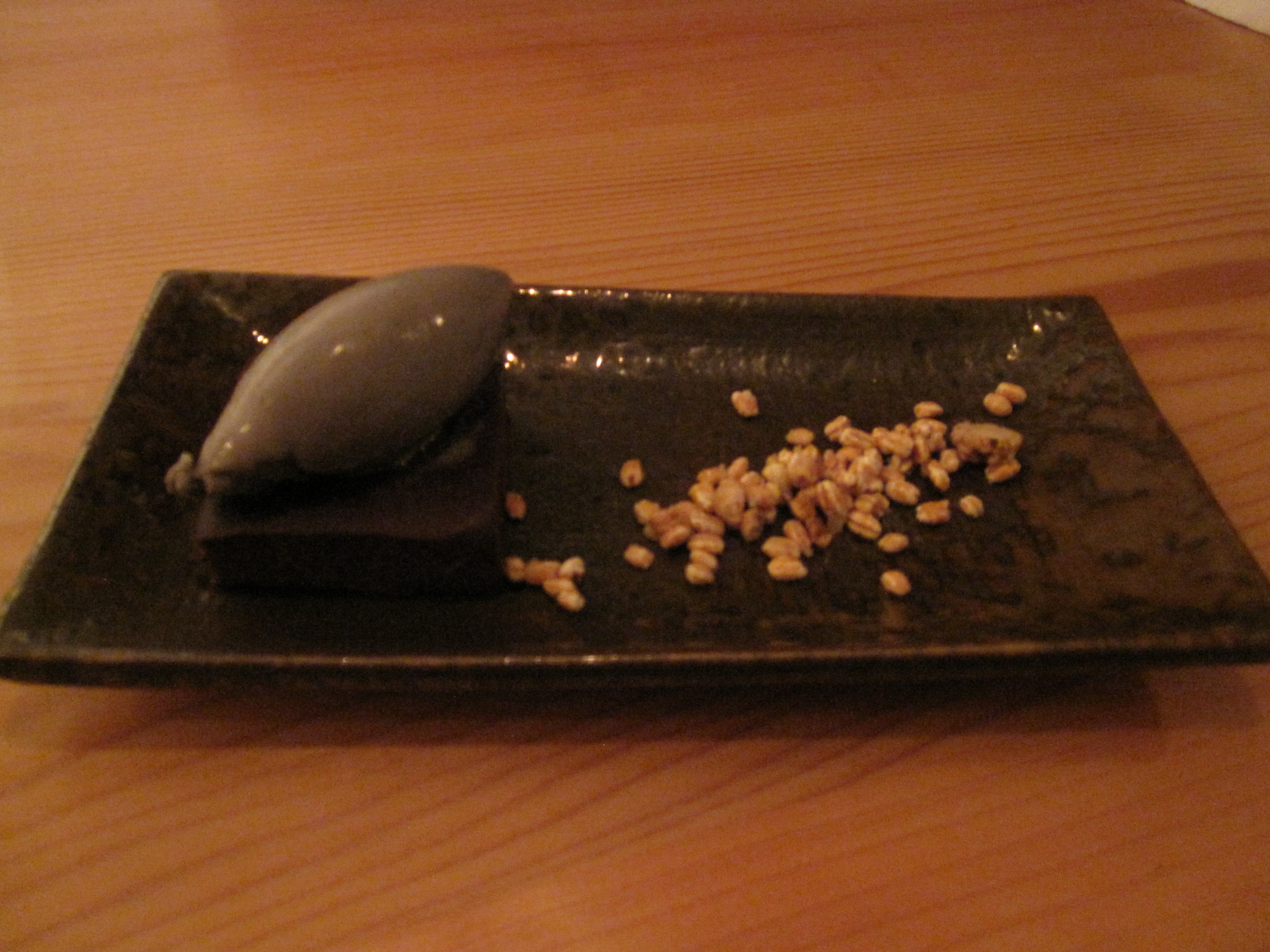
Chocolate ganache with puffed barley and black sesame ice cream.

I will say, that all three desserts are among the best desserts I’ve ever had at a Japanese restaurant.

Overall, Chizakaya is a fun atmosphere with great food. There were a couple of lows, oversmoked bacon and poor noodle soups, but the rest of the food was outstanding. Don’t come here expecting a substantial sit-down meal. Come here expecting a great list of sake, beer, and cocktails with delicious small plates and skewers to match. In that sense, this is a true izakaya. They also use top quality ingredients from local sustainable farms, and you can taste the difference. I will definitely go back, I just have to be more mindful of the amount of sake that I guzzle.

Read Full Post »

So, I had some salt cured salmon filets that needed to get eaten up from our last bimble up to Mitsuwa. These salmon filets are great because the don’t need much cooking since they’re already salt-cured. With that, we also had a kabocha that Yuki wanted me to cook. However, I did not cook it how she requested. Too bad for her. Without further ado…

First thing I did was get the kabocha ready, I only used half of it. I seeded it, cut off most of the skin, quartered the half, and then cut the quarters themselves in half.

I set them in a baking dish, drizzled them with sesame oil, salt, and pepper. I boiled about 3/4 cup of water, poured that into the pan, and put the kabocha into a 375 degree oven for about an hour. The water should be mostly absorbed by the time cooking is done keeping the kabocha nice and moist, while the top gets a little bit golden brown.  Then I took 1/4 cup of walnuts and toasted them in a dry pan for about 6 minutes.

I coarsely ground them with my mortar and pestle and then added 4 tablespoons of ponzu. I let that sit while I cooked everything else.

For the kale I used a bunch of red kale stalks removed and leaves chopped down, 1 cup of chicken stock, 1/2 onion sliced, and three garlic cloves sliced. In a hot stock pot I poured in about 2 tablespoons of sesame oil and then added the onion and garlic. About 2 minutes later I added the kale and let that wilt for about 4 minutes. Then I poured in the chicken stock and seasoned with salt and pepper. Once the stock came to a boil I loosely covered the pot, turned the heat down to medium-low, and let it simmer for about 30-40 minutes (however much time I had left on the kabocha, it doesn’t matter as long as the kale simmers for a while).

Once the kale got going I started the miso soup. I used a heaping service spoon of shiro miso, about 4 inches of daikon sliced and quartered, one small carrot cut in half moons, 4 green onions chopped in 1 inch lengths, 1/4 cup of dashi seasoned soy sauce, and 3 shiitake sliced. In a soup pot I poured in 4 cups of water and added everything except for the miso. I brought it to a boil, then covered the pot, and turned the heat down to medium-low to let it simmer for about 15-20 minutes.

I just rubbed some sesame oil on both sides of the salmon and then seasoned with pepper. My toaster oven has a broiler setting, so I just turned that on and broiled the salmon for about 8 minutes. That was just enough time to cook it all the way through and crisp up the skin. When it was finished it was time to put everything together.

I left the salmon as is. Put some of the kale on the plate and then a couple of pieces of the kabocha. I topped the kabocha with the walnut-ponzu mixture. I mixed the miso into the soup and served that up. Then I served some white rice along with everything, mainly to balance the saltiness from the salt-cured salmon.

Read Full Post »

The other night Yuki and I cooked together. We made one of my favorites, chicken hijiki rice, along with some vegetables that we needed to use up.

Making the rice is easy as can be. We used 1.5 tablespoons of dried hijiki seaweed, 4 shiitake sliced, 1 carrot sliced in half moons, and 1/2 pound of skinless chicken thighs. While I rinsed off 2 cups of rice and cut up the vegetables Yuki cut up the chicken and quickly sauteed it in sesame oil. After filling the rice cooker with the proper amount of water for 2 cups of rice I put the hijiki in and let it sit for about 15 minutes. Then we tossed everything else in, turned on the cooker, and let it go.

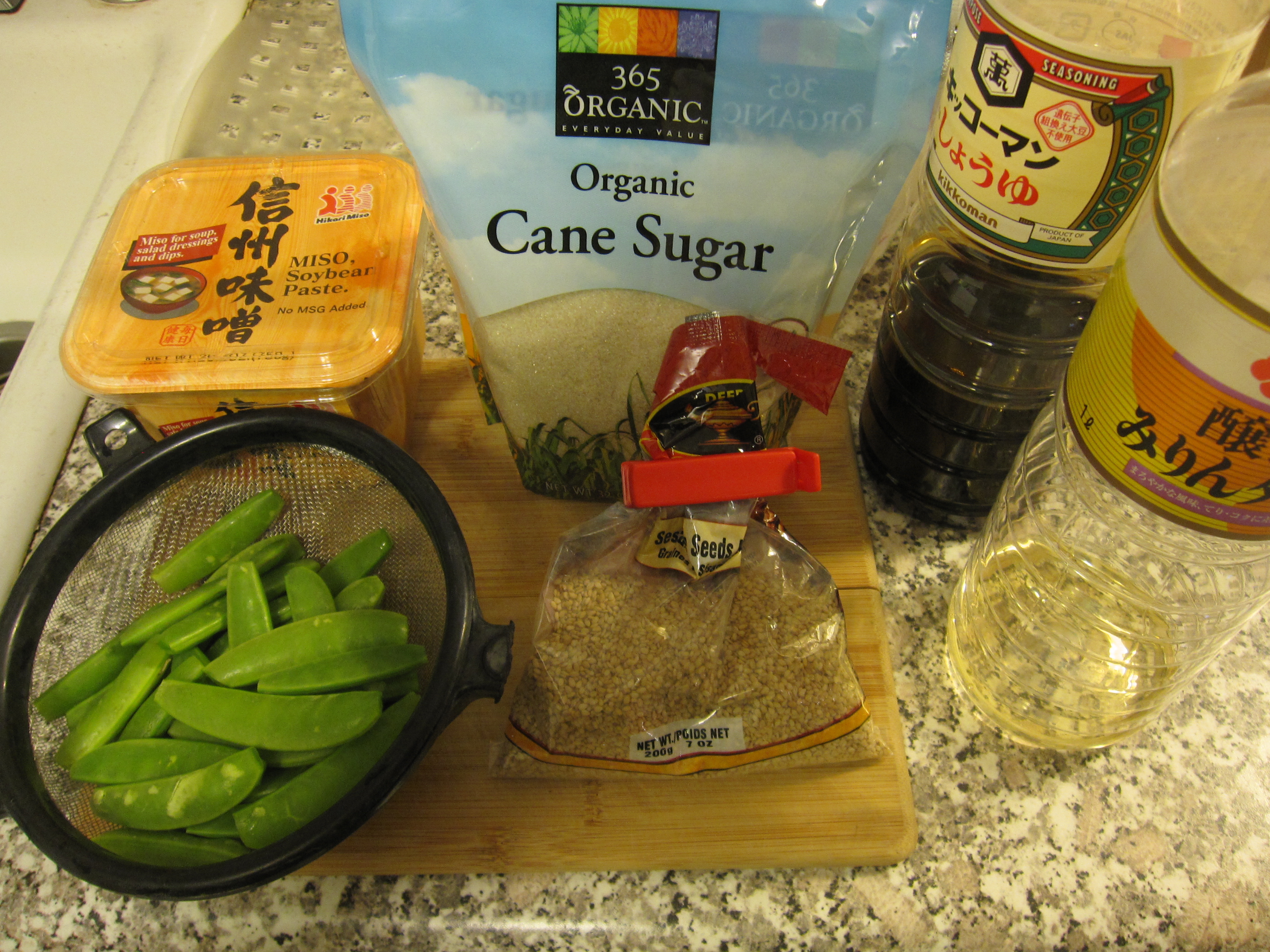
I made a sesame dressing for some pea pods that were in our fridge. I used 1 tablespoon of miso paste, a pinch of sugar, 1 tablespoon of sesame seeds, 1 tablespoon of soy sauce, and 1/2 tablespoon of mirin.

I toasted the sesame seeds in a dry skillet for a few minutes until they turned a golden brown and started to give off their fragrance. Then I ground them with my pestle and mortar. I added the rest of the ingredients, mixed them all together, and set it aside. I simply steamed the pea pods for about 4 minutes when the rice was ready. Then I tossed them with the sesame dressing.

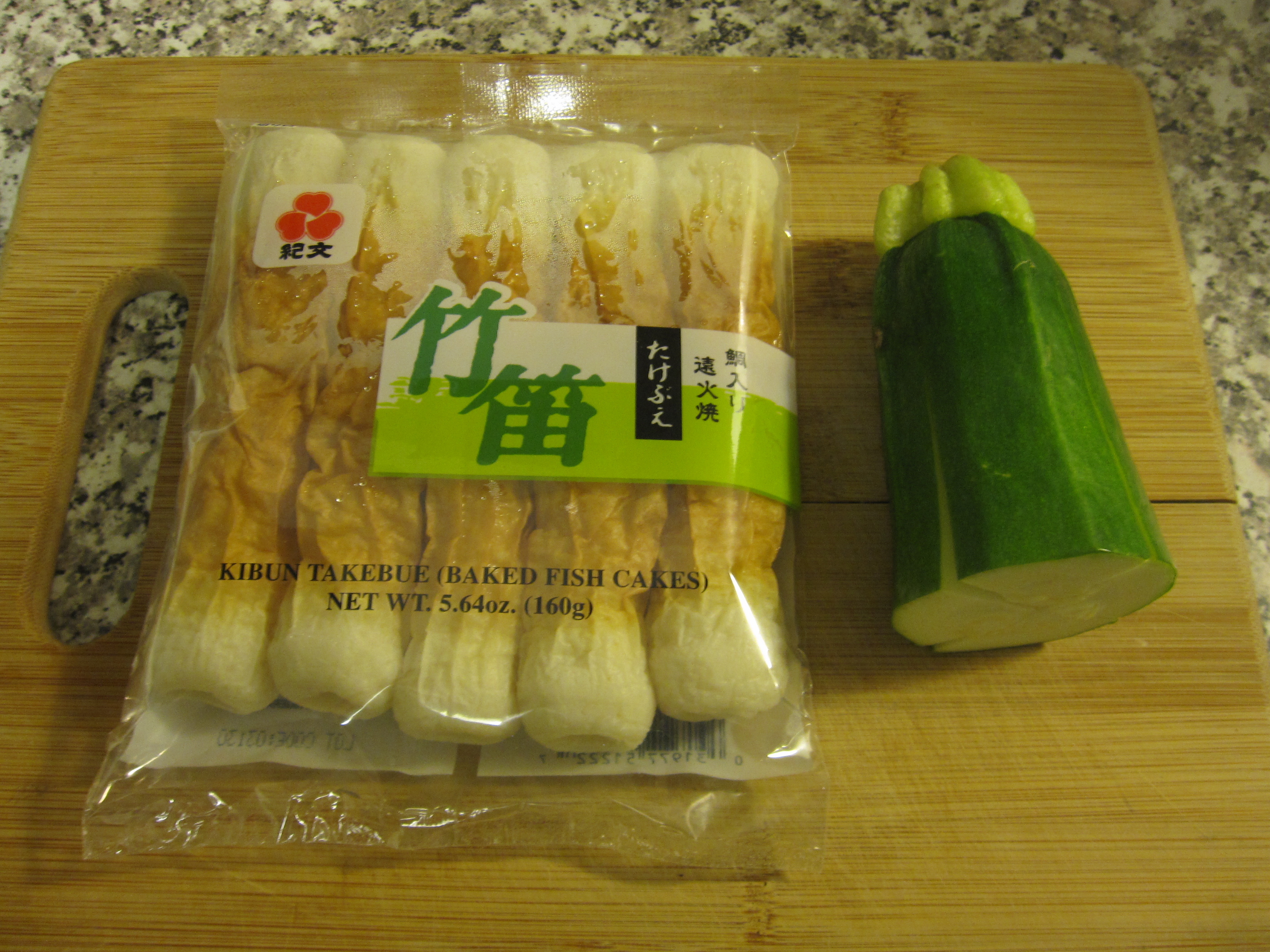
We also had some chikuwa and 1/2 a zucchini to use up. Chikuwa are tubular, hollow fish cakes that have been baked or grilled. I sliced the zucchini into long sticks and stuffed the chikuwa with them. Once the rice was ready and the pea pods steaming I just put them in the toaster oven and toasted them for about 6 minutes. I drizzled them with the sesame dressing as well.

While I was doing that Yuki made some miso soup. I didn’t watch her make it, but she put in it sliced onion and wakame.

Read Full Post »

I made this delicious salmon on the grill with some cedar planks. To go with it I made a miso soup and a cherry tomato caprese. This menu was kind of all over the map, but it worked out.

I first made the caprese. I simply quartered the cherry tomatoes and cut some mozzarella di bufalo and then tossed them with a drizzle of olive oil, a drizzle of balsamic vinegar, and some sliced up basil from my back porch. A little salt and pepper to bring out the flavors and that was ready.

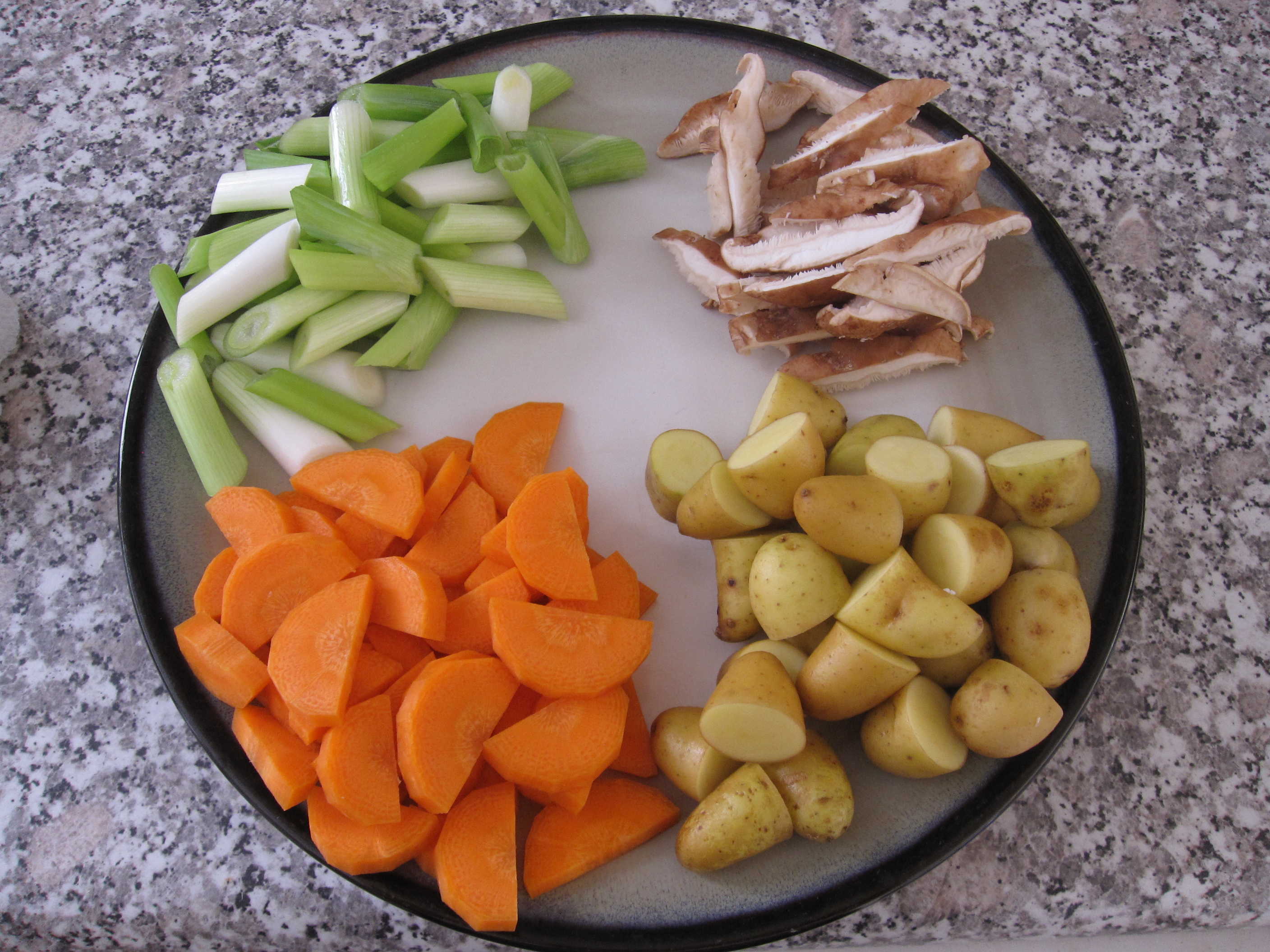
Then I got the soup rollin’. I chopped up 4 green onions, half a package of shiitake sliced, 7 fingerling potatoes cut into bite sized pieces, and a carrot cut into half-moons.

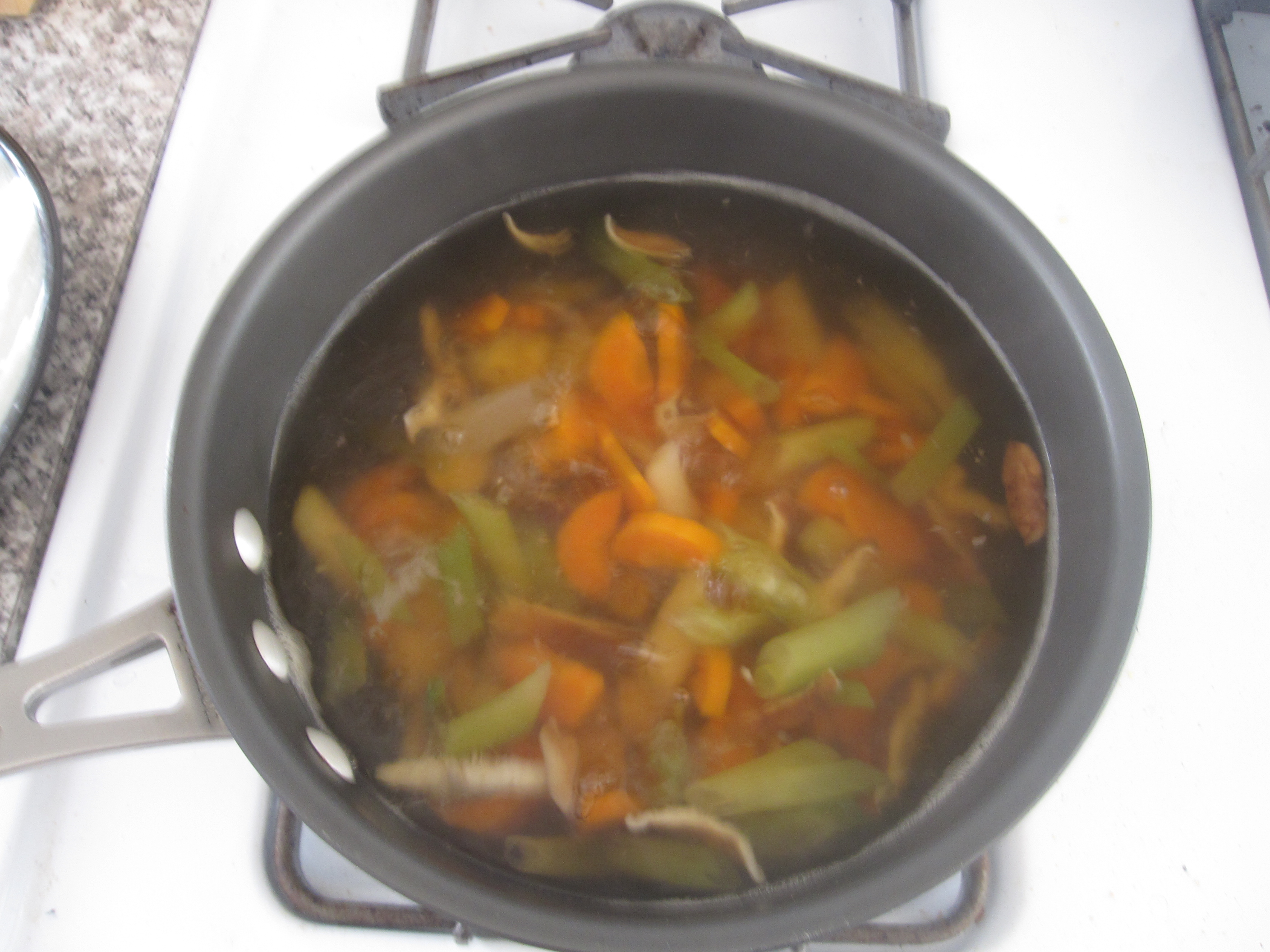
I dumped them all into about 6 cups of water and brought it all up to a boil. Once boiling I turned the heat down to medium and let it all simmer for about 10 minutes, just until the veggies were softened and tender. Then I added about a teaspoon of dashi-no-moto and turned the heat down to medium-low. I covered it and kept it warm while I grilled the salmon.

I had a beautiful piece of salmon that weighed in at 20 ounces. Perfect for 4 portions at 5 ounces each. I simply seasoned it with salt and pepper and then laid some sprigs of rosemary on top that I cut from my plant out back.

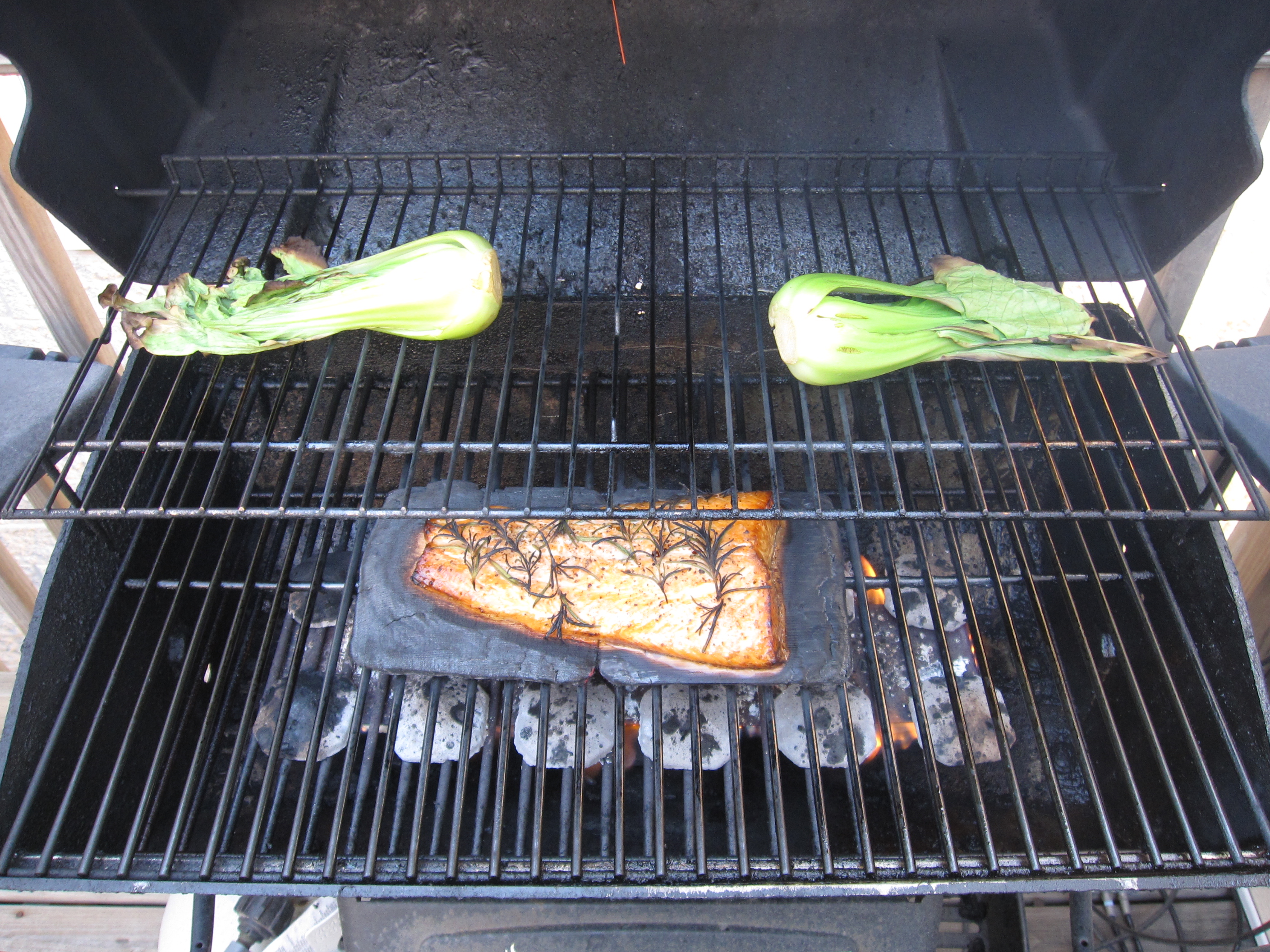
I had a couple of small cedar planks that I soaked in water for about 2 hours. You can see from the picture that they were pretty cheap as I’ve never had cedar burn up quite as quickly as these did. It did no harm to the fish though as it stayed nice and moist and absorbed some great smokey cedar flavor. I also had a couple of bok choy that I halved and grilled. I was careful to keep the green leaves away from any direct heat to keep them from burning. They still charred a little around the edges, but that just added some flavor.

When all was ready I cut the salmon up and served it on top of the bok choy. I had some white rice as well. For the soup, I found some bean sprouts in my bottom drawer so I threw them in at the last minute as they don’t need much cooking at all. Then I mixed in 2 heaping tablespoons of shiro miso and served it up.

Read Full Post »

Last night Yuki and I went to see RUSH at Northerly Island. What a great band! Because of that I didn’t cook Meatless Monday, though I did eat a falafel sandwich with some babaganoush before the show to keep with the theme. I tell ya, being at the concert really drove home the point that all Americans need to adopt a healthier diet as at least 75% of the concert goers were way overweight. That might be an understatement too. Concert seats are only so big and literally everyone around us was well over 200 pounds. I felt claustrophobic at time. America, start eating healthy well-balanced diets!!! But that didn’t stop us from enjoying the show. At any rate, I’m going to blog about the dinner we had Saturday night.

We were out in Schaumburg so that we could stop at the Tensuke Market, which is actually in Elk Grove, but just south of Mitsuwa. It’s smaller than Mitsuwa but sometimes has better deals and has the absolute best retail seafood in the Chicago area. If you want to make sashimi at home, I highly suggest making the trek to Tensuke for your fish. There’s a restaurant called Daruma that Yuki had wanted to try for a while so we decided to give it a try. Honestly, walking through the doors was almost like walking into Japan. I mean that in every good way possible.

The decor is very traditional of casual dining in Japan. The Japanese don’t put a whole lot of stock into gaudy decor, instead they prefer to focus on high quality food. The walls were poorly painted, the tables and seats a little worn down, cheap napkins (in Japan you usually don’t find any napkins). It really felt like a restaurant in Japan. Made me feel homesick even though I’m not Japanese.

Service was pretty good. All Japanese servers, but bi-lingual so don’t worry. It was the food that starred though.

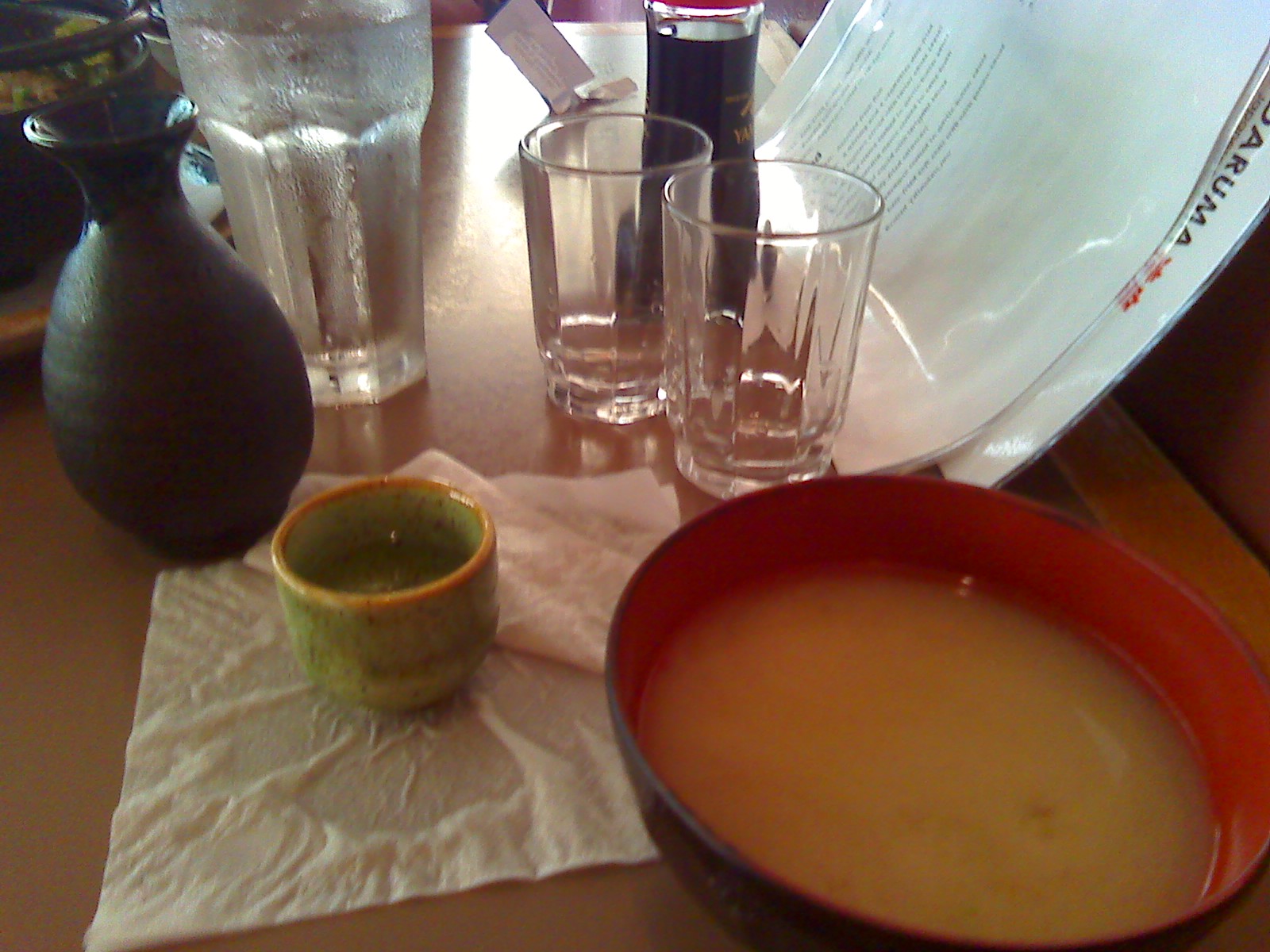
We started off with some Miso Soup. Nothing fancy, just a well made miso soup with wakame and tofu. I also had some sake. I was torn between two kinds so they gave me a couple of samples. The samples were very generous and I honestly didn’t need to order any sake due to the large pours. But, I did get a sake from the Nara Prefecture.

We got a Daikon Salad. Thin sticks of daikon served with carrot stick tempura and a shiso dressing. Carrots often accompany daikon, but this is the first time I’ve seen carrot tempura with the daikon. Nice touch. Little pea shoots for a bit of peppery bit and color.

We ordered two maki rolls. Ebi Ten, shrimp tempura with avocado, cucumber, and smelt roe. Unakyu, fresh water eel with cucumber. The sushi was good. Not the best I’ve ever had, but overall solid.

Tatsuta Age, deep-fried chicken thigh. Usually served in smaller pieces and called karage, these were pretty big chunks of chicken. Served with shredded cabbage, potato salad, pea shoots, and a slice of lemon this is a classic. It’s also one of mine and Yuki’s favorites.

Niku Tofu, a play on the popular Japanese home cooked dish called niku jaga (meat and potato). Instead of potato Daruma used tofu. It’s thin sliced beef with tofu simmered in a sweet soy broth. Also simmered in the dish were chopped napa cabbage and green onions. This was delicious!

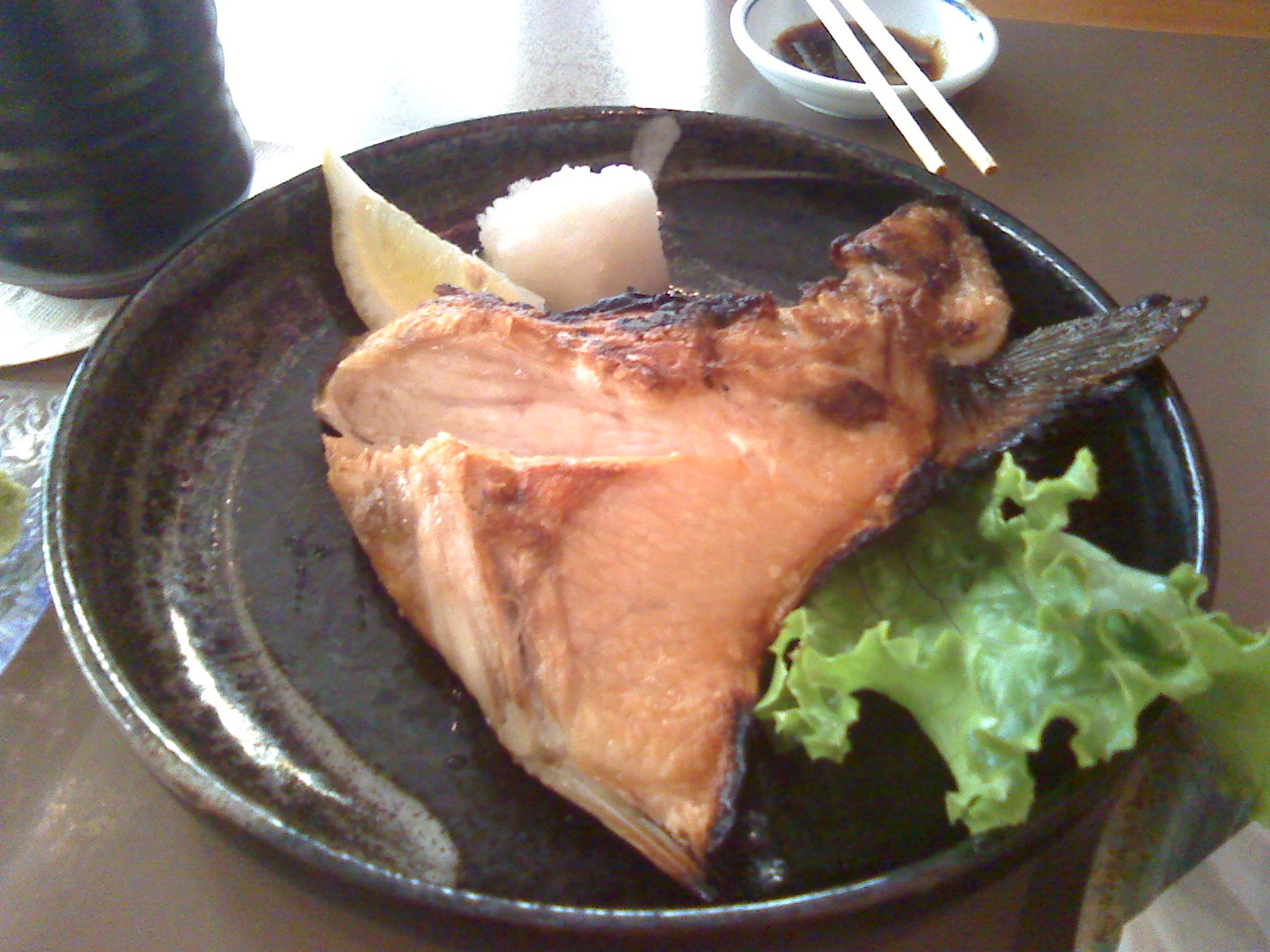
Hamachi Kama, the absolute star of the show! Yellowtail jaw broiled to perfection. You got all of that flavorful cheek meat, easily the best part of any large fish. I don’t know why this part isn’t served more in American cuisine because it has so much more meat and flavor than our prefered filets. This chunk of fish was so tasty it almost brought a tear to my eye. My stomach thanked me for eating this.

Overall, the food and ambiance at Daruma were fantastic. So far it’s the most authentic Japanese restaurant we’ve been to in the Chicagoland area. The food is delicious, portions are priced accordingly (we had leftovers), and the sake was flowing. The only downfall of this place is that I have to fight Hwy 90 traffic to get there. Next time Yuki’s parents are in town we’re definitely taking them there to show them that there is real Japanese cooking here.

Read Full Post »

Last night I did a riff on one of Yuki’s recipes. She commonly makes ground chicken dumplings similar to these patties in the winter when we eat nabe (Japanese hot-pot). So, I took her idea and made my own Japanese flavored dinner.

The ingredient list for the patties were 3/4’s pound of ground chicken thigh, 1 block of tofu that I had pressed the water out of, one egg scrambled with 1 tablespoon of soy sauce, 1 carrot cut into a small dice, 3 garlic cloves and 1 inch of ginger that I minced, and 1 tablespoon of hijiki seaweed. The hijiki comes dried and is available in most Asian sections of your grocer. I put 1 tablespoon of dried hijiki in a couple of cups of cold water and let it sit for about a half hour. Then I strained it, reserving the liquid for the miso soup.

I mixed it all together, with about a tablespoon of nanami togarashi (a Japanese red pepper spice mix, there are various kinds of togarashi that are also usually available in the Asian section) until the tofu was completely broken down and everything was mixed well. Then, on a lightly oiled baking sheet, I laid 8 patties (two patties per serving, leftovers for lunch). I let it cook in a 375 degree oven for about 20 minutes.

Before cooking the patties I got my miso soup ingredients ready to go. I cut 2 negi (Japanese green onions, larger than regular green onions, not as big as leeks) into 1 inch pieces, hiratake (oyster mushrooms), and wakame seaweed. Wakame can be bought dried or fresh. Fresh comes heavily salted to preserve it. You need to soak it really well in water and cut it into smaller pieces as it expands once the salt is rinsed off.

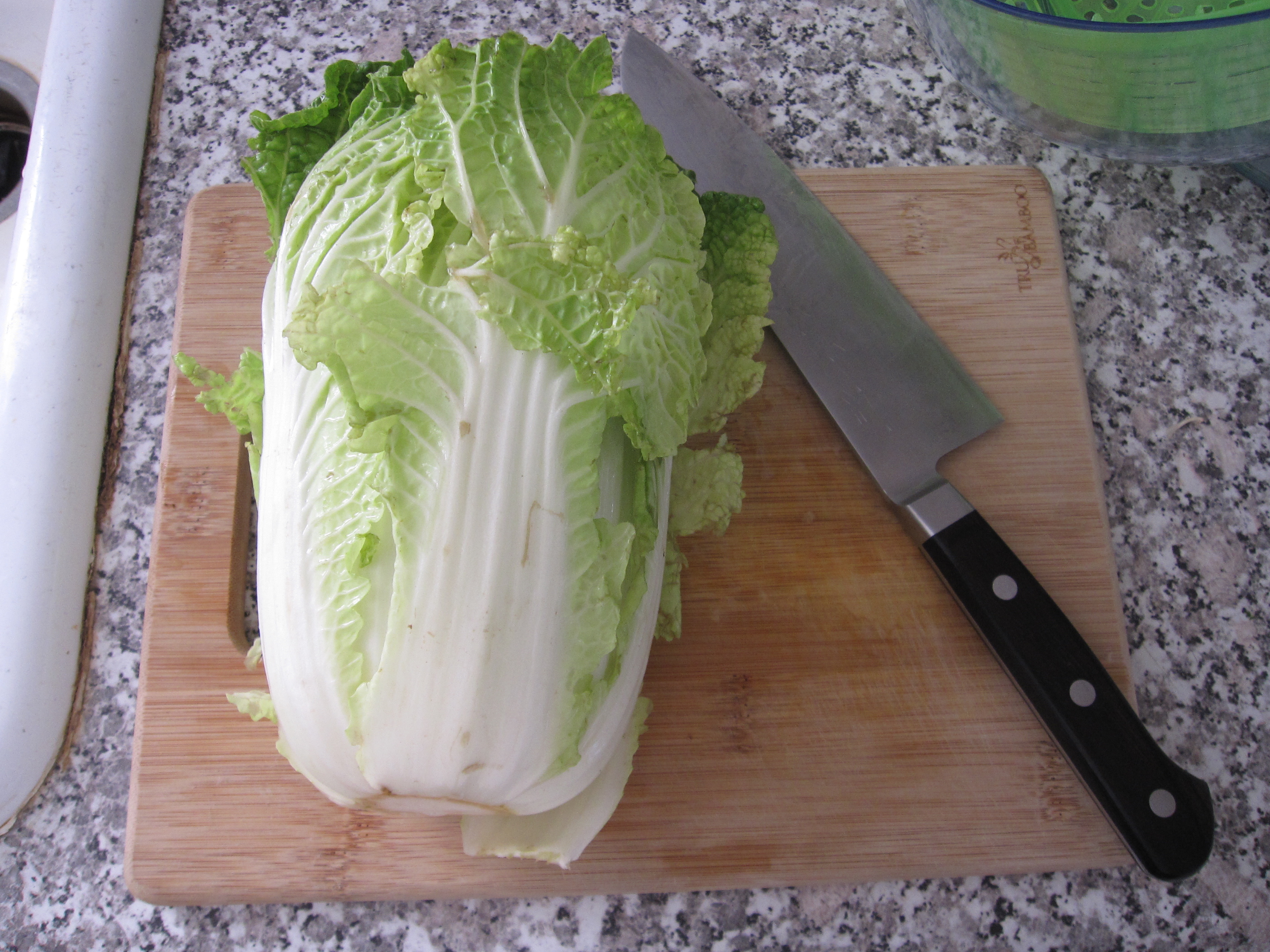
I also chopped up a small head of napa cabbage to cook as a side.

Once I put the patties in the oven I melted 1 tablespoon of butter in a skillet and heated up the hijiki liquid in a pan along with one more cup of water, 1 teaspoon of dashi-no-moto (instant dashi), the negi, and the mushrooms. I let the soup simmer while working on the cabbage. Once the butter was melted I added 1 tablespoon of soy sauce and then the cabbage. I let the cabbage wilt in the soy butter for about 10 minutes and then turned off the heat.

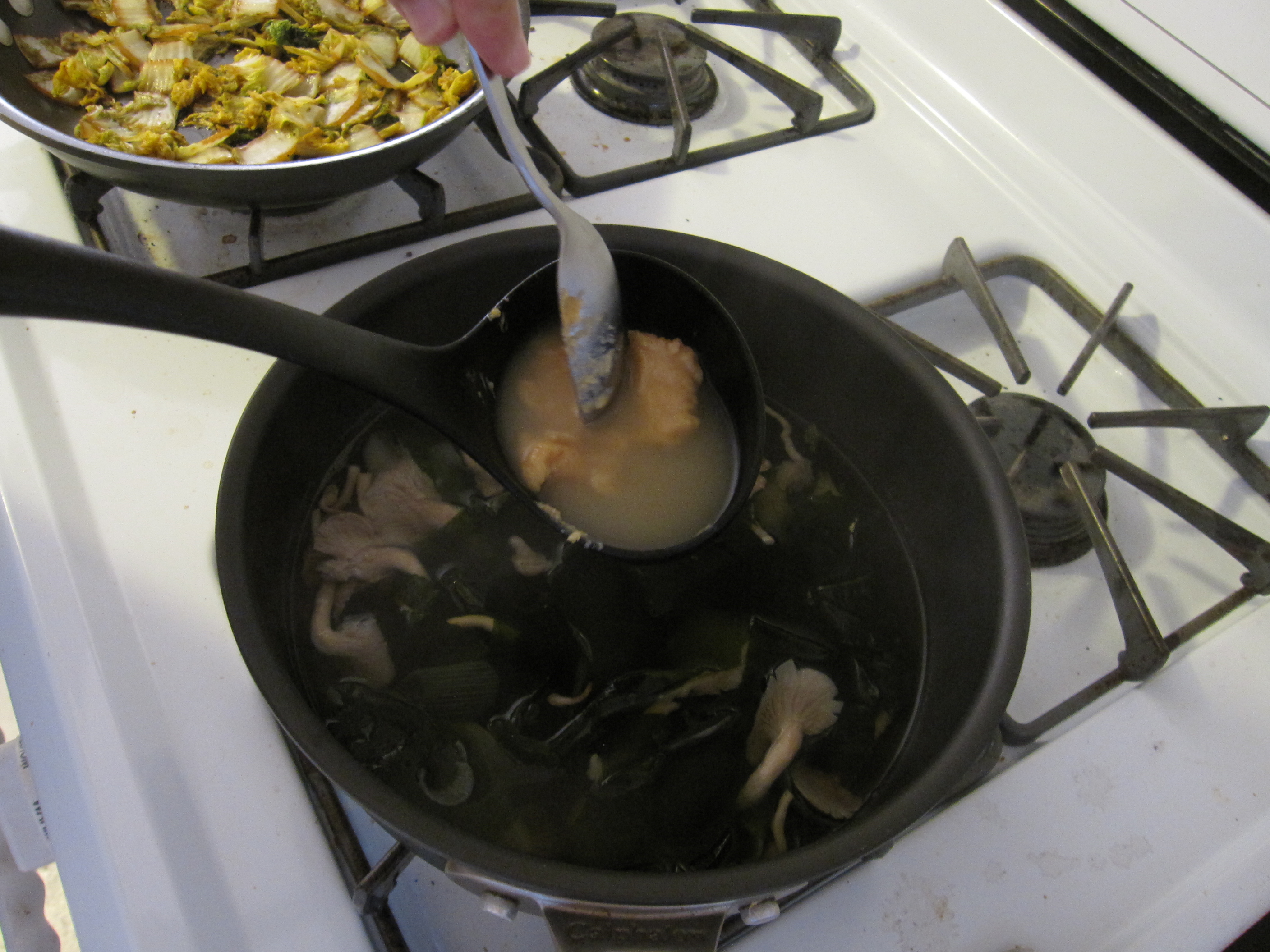
After the cabbage was ready I added the wakame to the soup and then the miso. The best way to add the miso is to take a heaping spoonful and swirl it around in a ladle that is just slightly in the soup. This allows the miso to incorporate slowly keeping it from being lumpy.

I served everything with some white rice. I poured just a little ponzu on top of the patties to add a touch of acidity and help keep them moist. To keep with the Japanese flavors it only seemed right to drink Asahi.

Read Full Post »

« Newer Posts